
Suddenly, the phone to the kitchen cuts through the sound of the extractor fans. “Environmental Health are here. It’s an FSA inspection.”
For a moment, the head chef freezes. The fridges are full, and the lunch rush has just finished. Furthermore, a stack of delivery notes sits half-signed at the pass. The restaurant has hovered at a 3* for two years. However, today’s visit is the chance to finally reach that 5* food hygiene rating that customers look for on the door.
As the Environmental Health Officer (EHO) walks in, clipboard in hand, they are not just glancing at shiny surfaces. Instead, they are quietly scoring three big areas that decide the final FSA rating: how hygienically food is handled, the structure and cleanliness of the building, and the way food safety is managed behind the scenes. Unfortunately, this is where most restaurants lose points. It is not because they do not care. Rather, it is because no one has turned those rules into a simple checklist the team can live by every day.
What FSA inspectors really score
When an FSA-backed EHO inspects your business, the food hygiene rating is built from three pillars.
- Food handling: how you prepare, cook, cool, reheat and store food.
- Structure and cleaning: the condition of floors, walls, equipment, lighting, ventilation, and pest control.
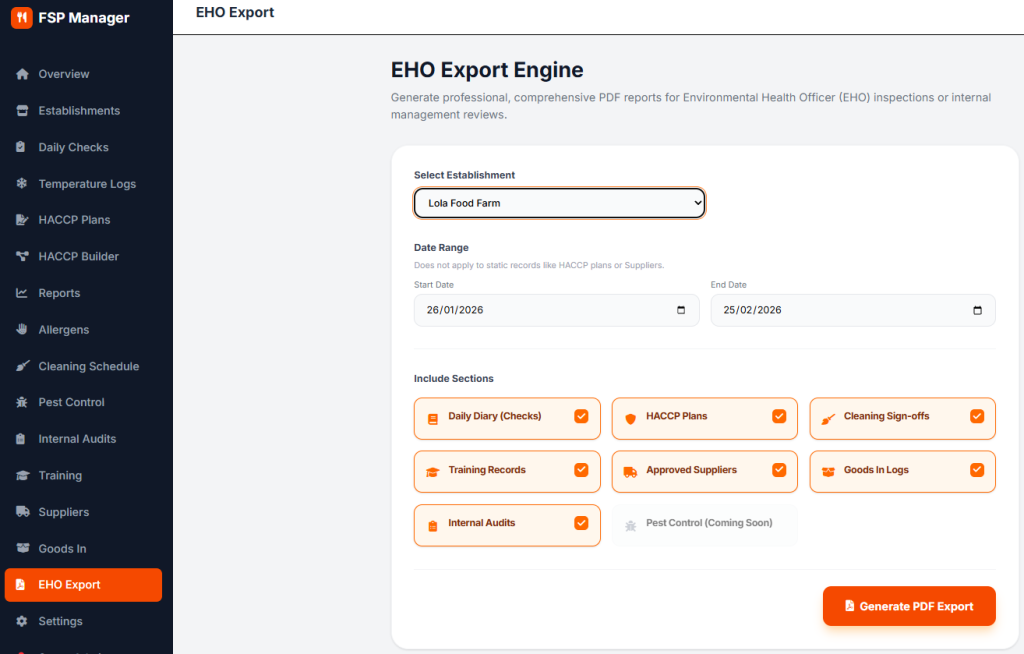
- Food safety management: your HACCP-based system, training, records and how confident the officer feels that you will keep standards up.
Most owners focus on “tidying up for the visit.” However, inspectors are actually looking at whether good hygiene is built into your daily routine. Therefore, the 47-point FSA inspection checklist below turns those three pillars into practical, tick-box actions your team can follow.
The 47-point FSA inspection checklist– DOWNLOAD NOW
1. Food handling and cross-contamination controls
- Raw and ready-to-eat foods are stored completely separated (including in fridges).
- Colour-coded chopping boards in good condition and used correctly.
- Separate utensils for raw and ready-to-eat foods.
- Clear handwashing procedure between handling raw and ready-to-eat foods.
- Handwash basins accessible, with hot water, soap and hygienic drying.
- Disposable cloths/blue roll used or reusable cloths washed and sanitised properly.
- Staff know and follow allergen controls and avoid cross-contact.
- Salad, fruit and vegetables washed safely in clean sinks.
- Clear procedures for handling food for allergen orders.
2. Chilling, storage and temperature control
- Fridges and freezers are running at safe temperatures and are being monitored.
- Probe thermometers available, sanitised and calibrated.
- High-risk foods are date-labelled and within use-by.
- Clear system for stock rotation (FIFO).
- Raw and ready-to-eat foods are separated and covered in storage.
- Cooling procedures for cooked foods were documented and followed.
- Hot-holding temperatures were checked and recorded where relevant.
3. Cooking, reheating and hot holding
- Safe cooking temperatures and times are defined for high-risk foods.
- Reheating only once, to safe temperatures and quickly.
- No bulk cooking without safe cooling and reheating controls.
- Records or checks to show critical temperatures are reached.
- Microwaves are used safely, and food is stirred/rested as required.
4. Cleaning, chemicals and disinfection
- Written cleaning schedule covering all areas and equipment.
- Correct disinfectants/sanitisers (e.g. EN 1276) used as per label contact times.
- Cleaning cloths and mops are stored hygienically, not left wet on floors.
- High-risk areas (handles, switches, probes) are cleaned frequently.
- Deep cleans are scheduled, including behind and under equipment.
- Chemicals are labelled, stored away from food and never decanted without labels.
5. Structure, maintenance and pests
- Floors, walls and ceilings in good repair, smooth and cleanable.
- Equipment maintained and damage (e.g. rusty shelving, broken seals) fixed.
- Adequate lighting and ventilation in the kitchen and stores.
- Back doors, windows and gaps sealed or screened to prevent pests.
- Formal pest control contract or effective in-house checks with records.
- No signs of pests; any historical issues recorded with corrective actions.
6. Personal hygiene and staff practices
- Staff fit for work policy, including reporting illness and exclusion rules.
- Clean protective clothing and hair restraints are worn as needed.
- No jewellery, watches or phones in food preparation areas, as they are not permitted.
- Food not eaten or drunk in preparation areas (except closed bottles where allowed).
- Visitors and contractors are controlled in the food rooms.
7. Food safety management and records
- HACCP or Safer Food Better Business-style system is in place and in use.
- Daily checks (opening/closing, temperatures, cleaning) were recorded and signed.
- Training records for all food handlers, including induction and refreshers.
- Supplier approval and delivery checks documented.
- Clear procedures for complaints, incidents and food safety issues.
- Management review of records and corrective actions taken when things go wrong.
Story from a 2-STAR to a 5-STAR rating
Imagine a small independent bistro in Manchester, stuck on a 2 rating. Bookings dip every time the local authority updates the online ratings. Consequently, customers quietly ask, “When are you going to sort that hygiene score?” The owners are passionate about food. Yet, every inspection ends with the same feedback: good intent, weak systems, and no confidence that standards will stick once the inspector leaves.
One afternoon, the manager gathers the team and pins a new 47-point FSA inspection checklist on the noticeboard. Subsequently, each section becomes part of the daily routine. Chefs sign off fridge temperatures, the KP leads the cleaning schedule, and front-of-house check the toilets and customer areas. Over a few weeks, the chaos turns into habits. For instance, records are neat, chemicals are used correctly, and allergen controls are visible. By the time the reinspection comes, the EHO can see evidence of consistent control, not last-minute panic.
Conclusion
Achieving a 5-star food hygiene rating is not just about passing a test on inspection day. Instead, it is about building a culture of safety that protects your customers and your reputation. While this checklist covers the essential steps, managing paper records can often feel overwhelming. Therefore, digitising your food safety management is the most effective way to ensure consistency. To streamline your compliance and secure your rating with ease, visit https://fsp.compliance-engine.io today.